

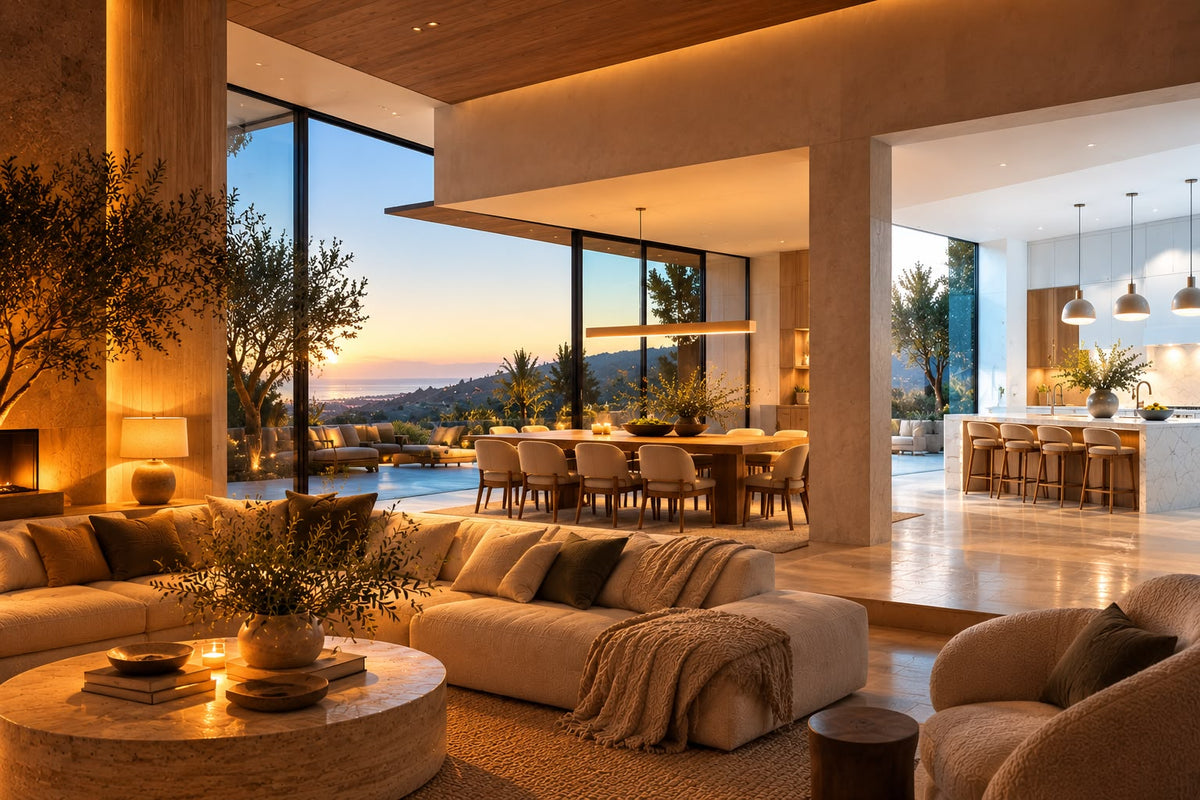
 The presence of light is important not only to our vision but also to the way we feel and function throughout the day. Apart from making our vision possible, light influences our internal body clock, sleep patterns, and alertness.
Our body has its natural way of reacting to changes in daylight conditions. Bright light during the daytime can signal our body to be alert, while reduced light towards the evening helps prepare us for sleep. However, modern lifestyles can disturb this natural pattern.
This guide explores the relationship between light, energy, and alertness. It explains how different types of light affect the body, why daytime and evening exposure matter, and how practical changes to lighting habits can support a healthier sleep-wake cycle.
Understanding the Connection Between Light, Energy & Alertness
Light is one of the most important environmental signals for your brain. It helps your body distinguish between periods of activity and rest, influencing your circadian rhythm.
How Light Becomes Alertness
The sensor: Intrinsically photosensitive retinal ganglion cells in your retina contain melanopsin, a pigment that responds to light, particularly shorter-wavelength blue-enriched light.
The clock: These cells send signals to the suprachiasmatic nucleus, your master circadian clock. This clock helps coordinate daily biological rhythms.
The chemistry: Bright light during the morning and daytime helps regulate melatonin and other biological processes associated with the sleep-wake cycle. Evening darkness allows melatonin levels to rise as the body prepares for rest.
The National Heart, Lung, and Blood Institute explains that light helps regulate the body's internal clock. Bright light at night can interfere with melatonin release and make falling asleep more difficult.
Read the NHLBI explanation →What Kind of Light Matters Most?
- Intensity: Outdoor daylight is generally much brighter than indoor lighting, even on cloudy days.
- Spectrum: Blue-enriched light around 460–480 nanometers can be particularly effective at stimulating melanopsin-containing retinal cells.
- Timing: Bright light in the morning and bright light late at night can have different effects on your body clock.
Using Light in Practice
Daytime Energy
Get natural daylight after waking, keep your workspace adequately lit and take outdoor breaks when possible.
Evening Wind-Down
Reduce indoor brightness, lower screen brightness and choose warmer lighting as bedtime approaches.
Consistent Routine
Maintain regular wake and sleep times to help reinforce the difference between day and night.
How Different Types of Light Affect the Body
Different light sources and lighting conditions can influence your environment, visual comfort and circadian system in different ways.
Natural Sunlight
Natural sunlight is one of the strongest environmental signals for the circadian rhythm system. Outdoor light can be much brighter than indoor light, even under cloudy weather conditions.
Walking outside, taking morning walks or enjoying short outdoor breaks during work are simple ways to make daylight exposure part of your routine.
Blue Light
Blue light is part of the visible light spectrum. It occurs naturally in sunlight and is also produced by artificial sources such as LEDs and electronic screens.
Blue-enriched light during the daytime can reinforce daytime signals. However, bright light containing shorter wavelengths during the evening may suppress melatonin or delay the circadian rhythm.
Blue light is not necessarily harmful. Its effects depend on intensity, duration, timing and wavelength.
For more information, read our guide: Does Blue Light Affect Sleep? What the Science Says.
Warm Light vs. Cool Light
Light colour temperature is measured in Kelvin (K). Cooler light generally looks white or blue, while warmer light appears yellow, orange or amber.
Colour temperature alone does not determine brightness or the complete biological effect of a light source. However, it can help you select an appropriate lighting atmosphere for different activities.
Bright Light vs. Dim Light
Light intensity is another important factor. Bright light can provide a stronger signal to the circadian system, depending on its spectrum, duration and timing.
Daytime environments should provide sufficient light for visibility and everyday tasks. As bedtime approaches, reducing light exposure can help create a more comfortable evening environment.
Artificial Light and Indoor Lighting
Artificial lighting makes modern life possible after sunset, but fixed lighting systems do not always suit changing daily needs.
The same cool white bulb may be used during breakfast, work, dinner and evening relaxation, even though each activity may benefit from a different lighting environment.
Circadian lighting offers more flexibility by allowing people to adjust lighting characteristics throughout the day.
KIND Lights features three BioModes designed for different parts of the day, with bright daytime light, balanced everyday lighting and deep amber evening light.
The Science of Light and Alertness
Light affects both the circadian rhythm and immediate alertness. The circadian rhythm controls the body's internal biological clock, while immediate responses to light can influence how awake or sleepy someone feels.
According to the U.S. Centers for Disease Control and Prevention (CDC), bright morning light can shift the biological clock earlier, whereas bright evening light can shift it later.
Natural daylight provides important biological signals, while suitable indoor lighting improves visibility and visual comfort. Poor lighting, glare and low contrast can make reading and other everyday tasks more difficult.
Brightness, placement, glare control and the purpose of a room all contribute to creating a comfortable lighting environment.
Light, Energy & Alertness in Different Situations
Light for Office Workers
Office workers often spend most of their day indoors, where they may receive less natural daylight. Sitting near windows, opening blinds and using sheer curtains to reduce glare can help.
When natural daylight is limited, suitable overhead lighting and desk lamps can improve visibility. Outdoor breaks in the morning and early afternoon provide additional opportunities for daylight exposure.
Light for Students and Remote Workers
Students and remote workers may miss morning daylight because they do not have a regular commuting routine. Taking an outdoor walk before beginning work or study can help establish a consistent daily routine.
Appropriate desk lighting supports reading and visual comfort, while warmer, dimmer lighting can create a relaxed atmosphere elsewhere in the home.
Light for Shift Workers
Shift workers often face challenges because their working hours differ from the usual day and night cycle. Bright light during the appropriate part of a night shift may help maintain alertness.
Before daytime sleep, reducing light exposure on the journey home and creating a dark, quiet bedroom can help establish suitable sleeping conditions.
Light for Frequent Travellers and Jet Lag
Travelling across time zones can disrupt the body's biological clock. Carefully timed light exposure can help the body readjust, depending on the direction of travel and existing sleep schedule.
Morning light may help advance the body clock when travelling east, while appropriately timed afternoon or evening light may help delay it when travelling west. The right timing depends on individual circumstances.
Light for People With Irregular Sleep Schedules
People caring for others, studying or working irregular hours may find it difficult to maintain a standard sleep routine.
Establishing a consistent waking time and using appropriate light exposure during waking hours can help reinforce daily routines. Reducing bright light before the intended bedtime can also be useful.
Morning Light: A Natural Way to Support Energy
Morning light provides an important environmental signal to your circadian rhythm, helping synchronise your biological clock with the natural day.
Outdoor light is generally much stronger than indoor light, even on cloudy days. Spending a short period outdoors can therefore provide more daylight exposure than sitting beside a window.
How to Make It a Routine
- Open your curtains when you wake up and have breakfast near a bright window.
- Take a brief walk or stretch outdoors in the morning.
- Use suitable indoor lighting when outdoor daylight is unavailable.
- Avoid looking directly at the sun.
Consistency matters more than achieving a perfect duration every day. Your needs may vary depending on the season, weather and personal sleep timing.
Light Exposure Throughout the Day
Appropriate lighting at work can help maintain visibility and visual comfort, particularly when spending long hours indoors.
Reading, computer work and complex tasks require sufficient light without excessive glare or screen reflections. The position of your screen relative to windows and other light sources also matters.
Afternoon sleepiness is not unusual. It can be associated with natural changes in wakefulness, insufficient sleep, inactivity and other factors. Outdoor light, movement breaks and adequate hydration may help, but they cannot replace sufficient sleep.
For spaces used for multiple purposes, adaptable lighting can be useful. Cool or neutral white lighting may suit work activities, while warmer lighting can create a more relaxed atmosphere.
Evening Light and Its Impact on Sleep
In the evening, your circadian system prepares for rest and melatonin levels normally begin to rise. Exposure to bright light during this period can suppress melatonin or delay its release, depending on the characteristics of the light.
Modern homes can make this transition difficult. Bright overhead lighting and screen exposure may extend daytime light signals into the evening.
How to Create a Sleep-Friendly Evening
- Reduce indoor brightness and choose warmer lighting as bedtime approaches.
- Use a suitable warm light source for bedside and living room lamps.
- Consider an E12 LED circadian light bulb for suitable fixtures.
- Lower screen brightness and avoid stimulating content before sleeping.
- Keep evening lighting sufficiently dim and comfortable.
The 24-Hour Light Schedule
A practical daily lighting routine can help align indoor lighting with your body's natural sleep-wake cycle.
Wake Up & Alertness
Get outdoor daylight where possible. Bright indoor lighting can be an alternative when natural light is unavailable.
Productivity & Focus
Use sufficient bright, cool or neutral lighting for everyday activities and work.
Transition & Wind-Down
Gradually transition to warmer lighting and reduce unnecessary brightness.
Evening Relaxation
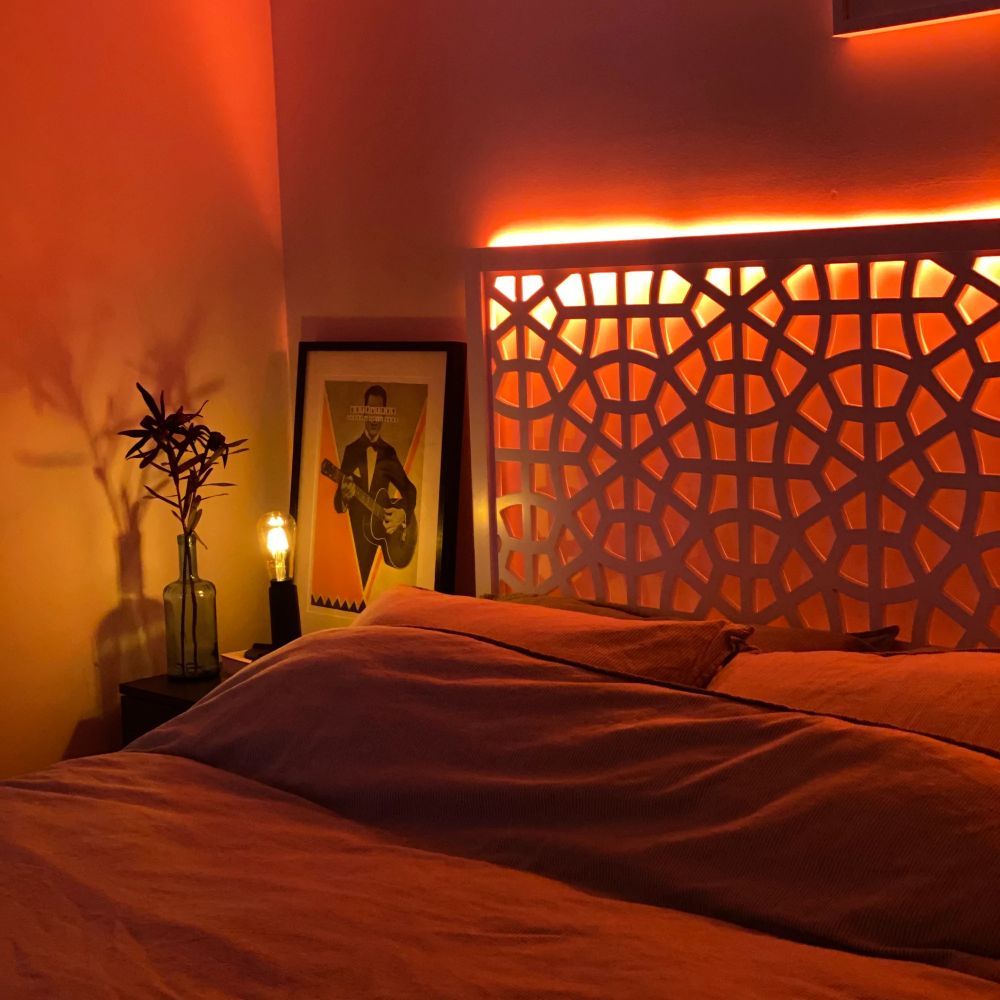
Choose dim, warm amber lighting and reduce bright screen exposure.
Sleep
Keep the bedroom dark and comfortable while sleeping.
Practical Tips for Better Light & Sleep
01. Start With Morning Sunlight
Go outside for 10–15 minutes after waking when practical. Natural light can help reinforce your circadian rhythm.
02. Reduce Brightness at Night
As evening approaches, reduce light intensity and choose warmer lighting for a more relaxing atmosphere.
03. Handle Night-Time Wake-Ups
Use a dim amber or warm nightlight instead of switching on bright overhead lighting whenever possible.
Common Lighting Mistakes to Avoid
One common mistake is spending too little time outdoors during the day. Remaining indoors in a poorly lit environment can reduce exposure to natural daylight. Taking outdoor breaks and improving indoor lighting are practical ways to address this.
The National Institute of General Medical Sciences (NIGMS) explains the importance of light and darkness in regulating circadian rhythms.
- Keeping bright lights on late at night: Excessive evening light can interfere with natural body-clock signals.
- Relying only on blue-light filters: Screen brightness, exposure duration, content and timing also matter.
- Using the same lighting all day: Different activities and times of day can benefit from different lighting environments.
- Ignoring individual differences: People can respond differently to the same lighting conditions.
- Using light as a replacement for sleep: Lighting can influence alertness but cannot remove the effects of insufficient sleep.
Supporting Your Natural Rhythm with KIND Lights
Lighting plays an important role in creating comfortable environments throughout the day. Whether you are starting your morning, working during the afternoon or relaxing at night, suitable lighting can help distinguish between daytime activities and evening routines.
KIND Lights provides a simple approach to changing indoor lighting throughout the day with three BioModes.
Thrive
Bright, blue-enriched lighting for daytime activities.
Flow
Balanced lighting for everyday activities.
Rest
Deep amber lighting for evening relaxation.
KIND Lights also offers convenient wall-switch control without requiring an app, alongside lighting designed for comfortable everyday use.
Combining adaptable indoor lighting with natural daylight, consistent sleep habits and reduced evening brightness can help create a more balanced home environment.
Explore KIND LightsFinal Thoughts
Light plays an important role in influencing our mood, alertness and sleep patterns. Getting natural daylight in the morning, maintaining sufficient lighting during the day and reducing brightness at night can help support your internal body clock.
Simple changes to your lighting habits, combined with a consistent sleep routine, can help create a more comfortable environment for daytime activities and evening relaxation.
Frequently Asked Questions
Does morning sunlight increase energy?
Morning sunlight is an important environmental signal that helps coordinate the circadian rhythm. It may also help you feel more awake and active. However, it cannot replace sufficient sleep or address every cause of fatigue.
How much light do you need each day?
There is no fixed duration that works for everyone. Light exposure depends on intensity, weather, season, timing and individual factors. Regular outdoor daylight and suitable indoor lighting are good starting points.
Does indoor lighting affect alertness?
Yes. Indoor lighting influences visual comfort and can affect alertness and the body's circadian system. The timing, brightness and characteristics of the light all matter.
What is the simplest way to create a healthy lighting routine?
Get natural daylight in the morning, use sufficient light during daytime activities, dim the lights before bedtime and keep your bedroom dark while sleeping. A regular sleep schedule is also important.
Does one light setting work for the entire day?
Lighting requirements vary depending on the time of day and activity. Brighter, cooler lighting may suit morning activities, balanced lighting can suit everyday tasks, and warmer, dimmer lighting may be more appropriate for evening relaxation.
Can indoor lighting affect the body's natural rhythm?
Yes. Indoor lighting provides signals to the body's circadian system. Spending the day in dim lighting and using bright lights late at night can make the distinction between daytime and nighttime less clear.
Share:
The Complete Guide to Morning Light and Circadian Rhythm