

Circadian home
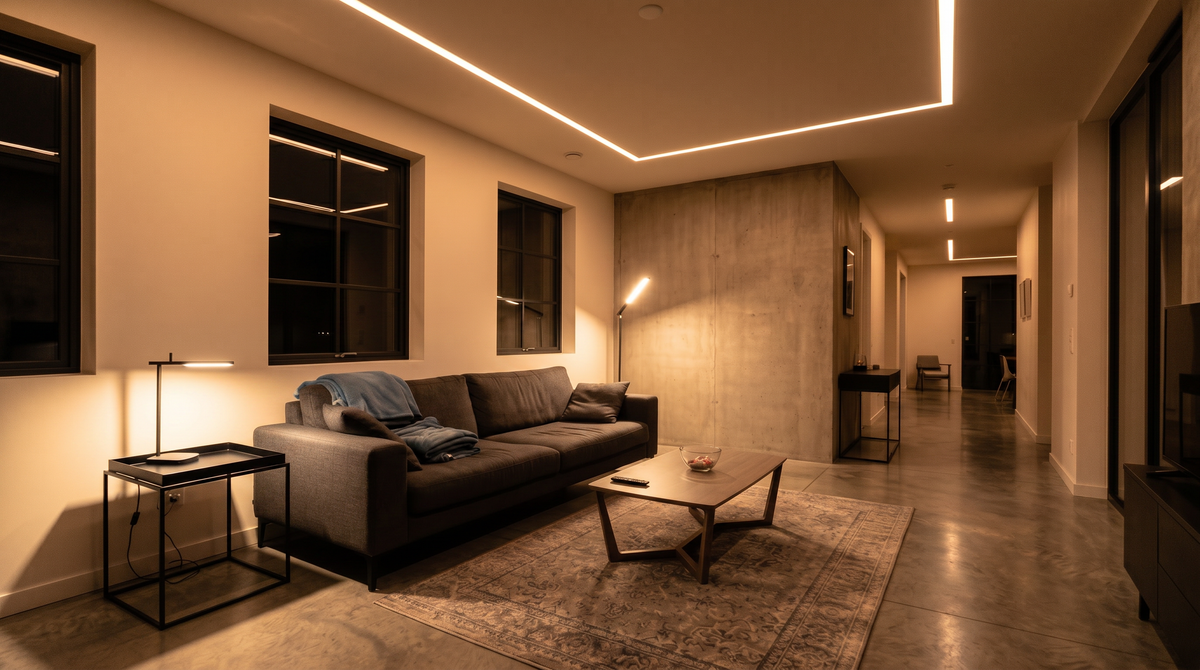
Best Lighting for Reading at Night: What to Know
The best lighting for nighttime reading is warm, low-blue light in roughly the 2200K–3500K range — bright enough to read comfortably, but without the blue-wavelength content that disrupts melatonin production. This is a slightly brighter setting than pure sleep-prep lighting...
Read moreabout Best Lighting for Reading at Night: What to Know
The Best Lighting for Every Room in Your Home (And When to Use It)
Circadian lighting isn't one setting you slap across the whole house. Every room has its own job, and the right light depends on what happens in that room and what time of day it is. A home office needs bright,...
Read moreabout The Best Lighting for Every Room in Your Home (And When to Use It)
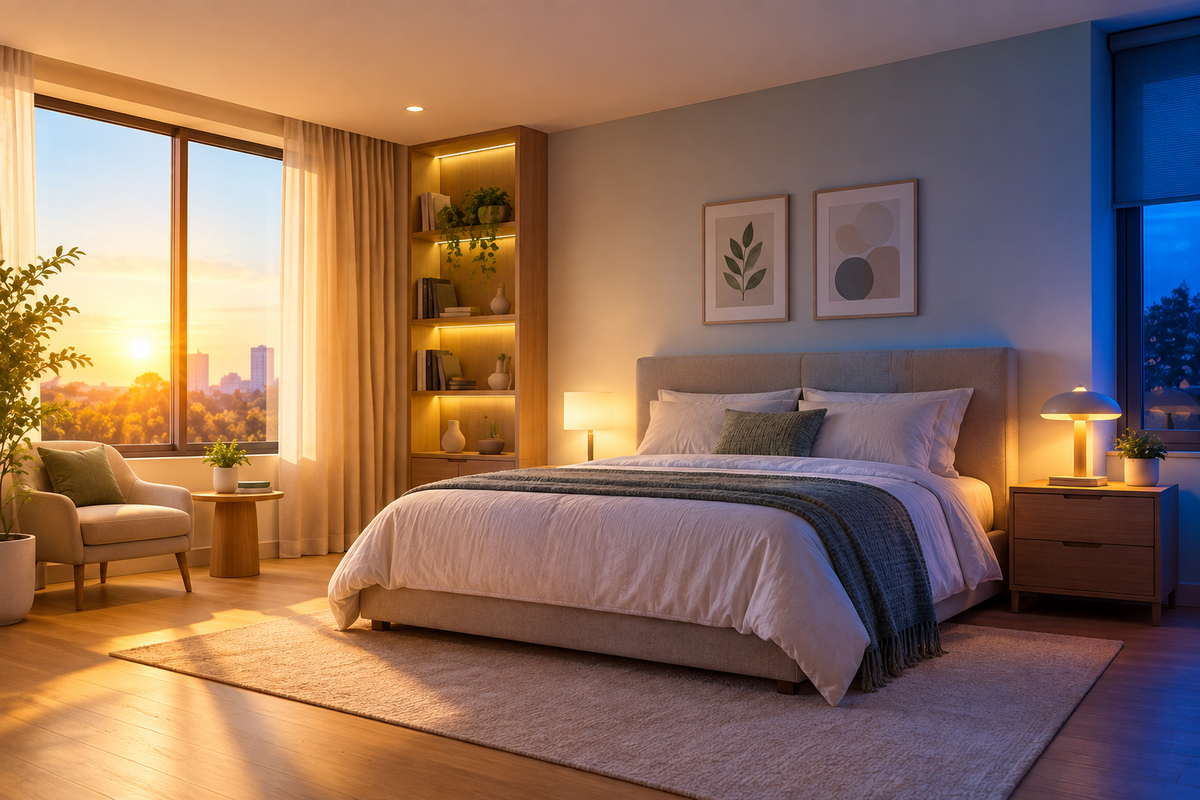
How Should I Use Circadian Lighting Throughout the Day?
Use bright, cool light (5000K–6500K) in the morning to support alertness, balanced neutral light (3500K–4000K) through midday and early evening, and warm, dim light (1800K–2200K) in the hour or two before bed. The core principle is contrast: your circadian system...
Read moreabout How Should I Use Circadian Lighting Throughout the Day?
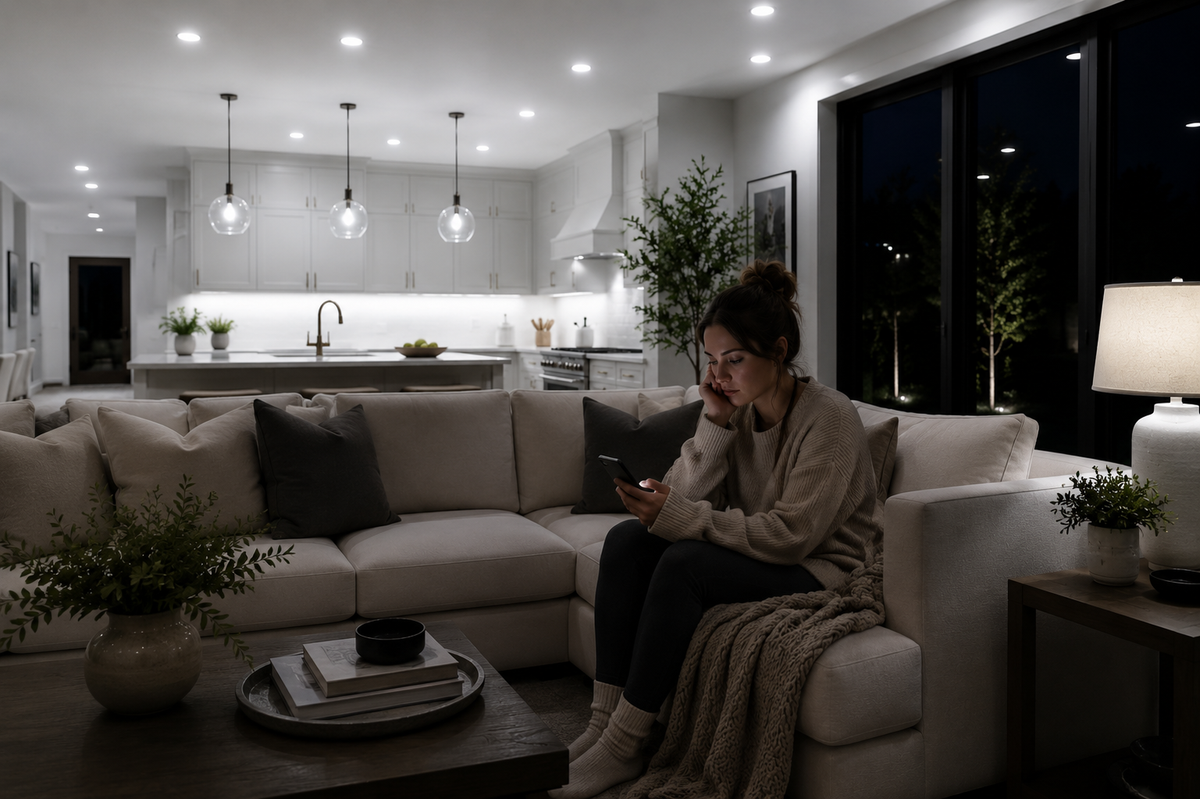
Why Circadian Lighting Matters: Key Benefits Explained
Circadian lighting is often marketed as a sleep product, but the science behind it points to benefits that show up across the entire day, not just at bedtime. Light is the primary cue your body uses to time nearly everything:...
Read moreabout Why Circadian Lighting Matters: Key Benefits Explained