

Science
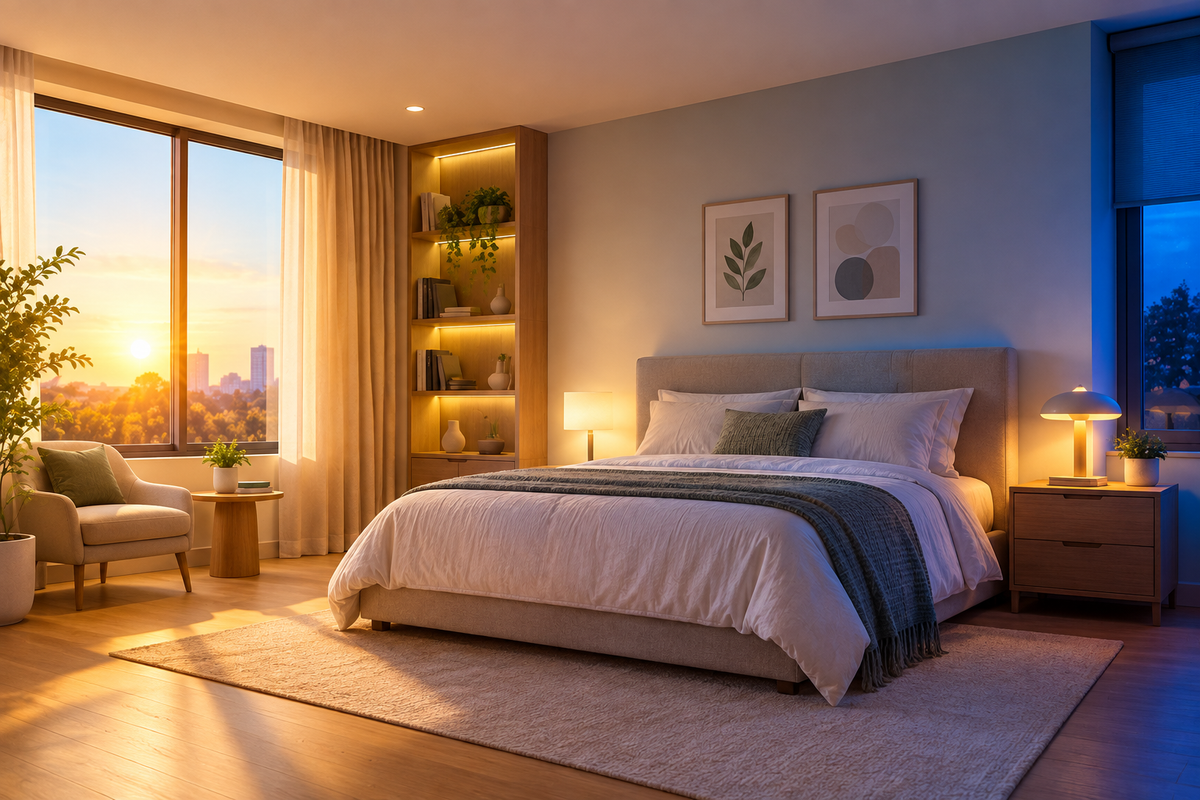
What Color Temperature Is Best for Sleep?
The best color temperature for evening lighting is generally in the 1800K–2200K range — a warm, deep amber tone similar to firelight or candlelight. Lower-color-temperature lighting contains less short-wavelength blue light than typical cool-white lighting, making it a popular choice for...
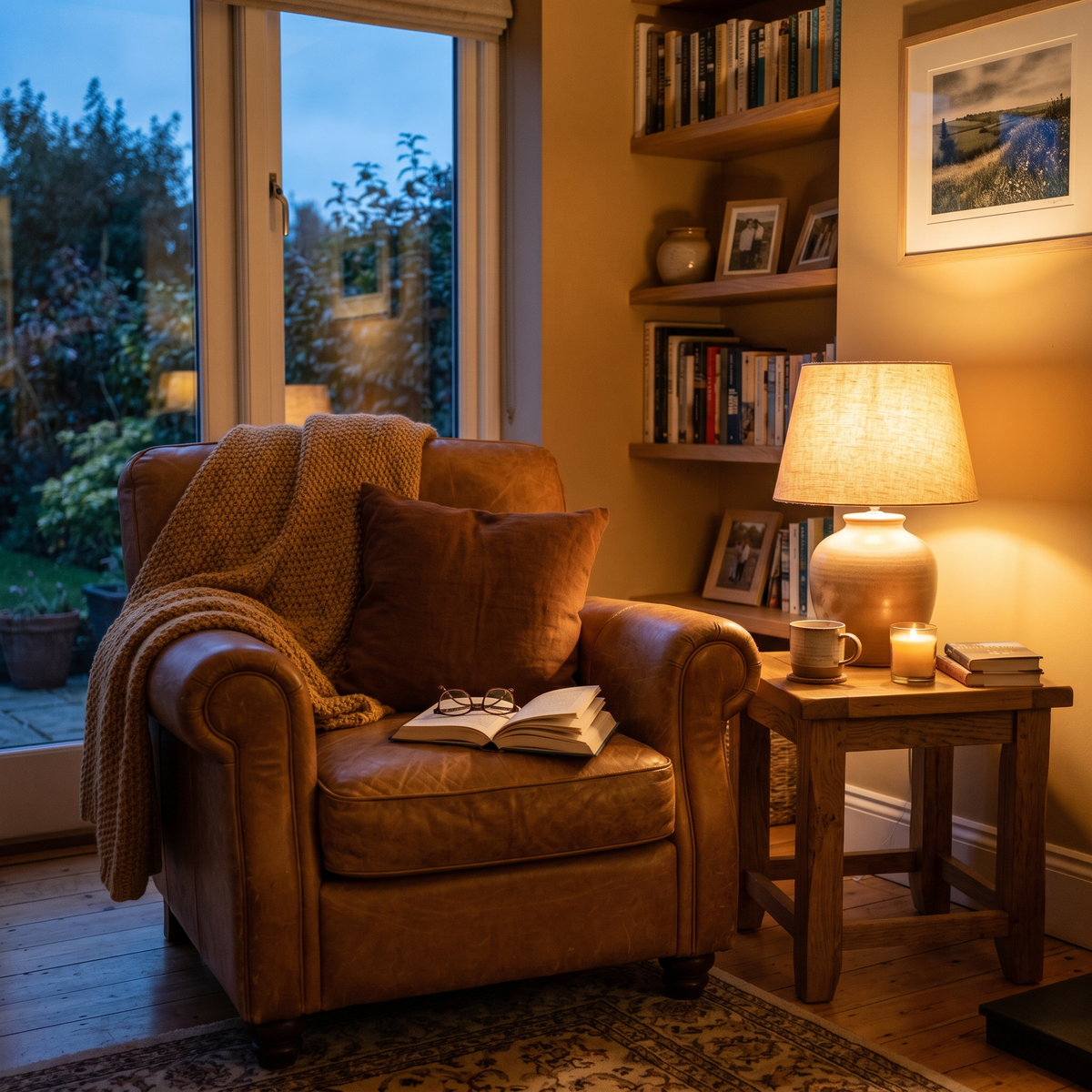
Does Blue Light Affect Sleep? What the Science Says
Yes. Blue light suppresses melatonin production more strongly and for longer than other wavelengths of light at comparable brightness, which can delay sleep onset and shift your circadian rhythm later. This is one of the most consistently replicated findings in...
Read moreabout Does Blue Light Affect Sleep? What the Science Says
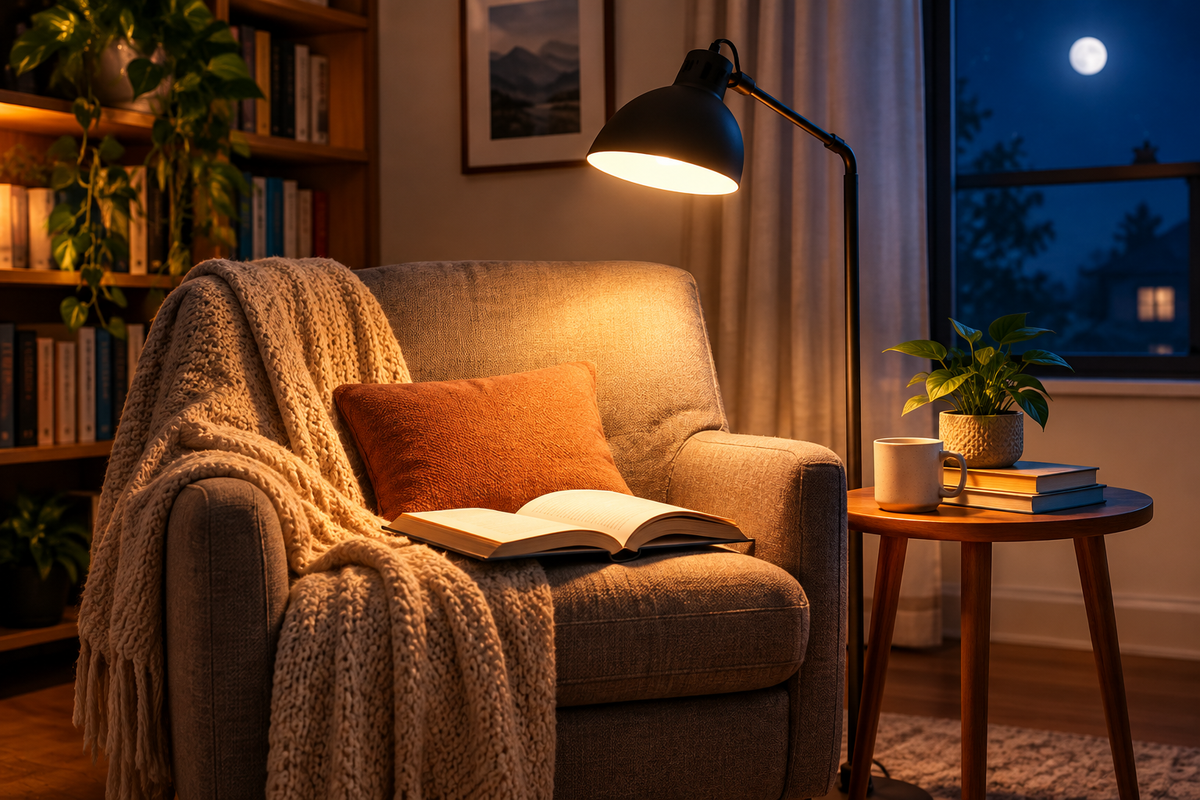
How Circadian Lighting Works for Better Daily Rhythms
Circadian lighting works by controlling the color and intensity of light your eyes receive at different times of day, because a specific set of cells in your retina uses that information to set your body’s internal clock. It isn’t a...
Read moreabout How Circadian Lighting Works for Better Daily Rhythms
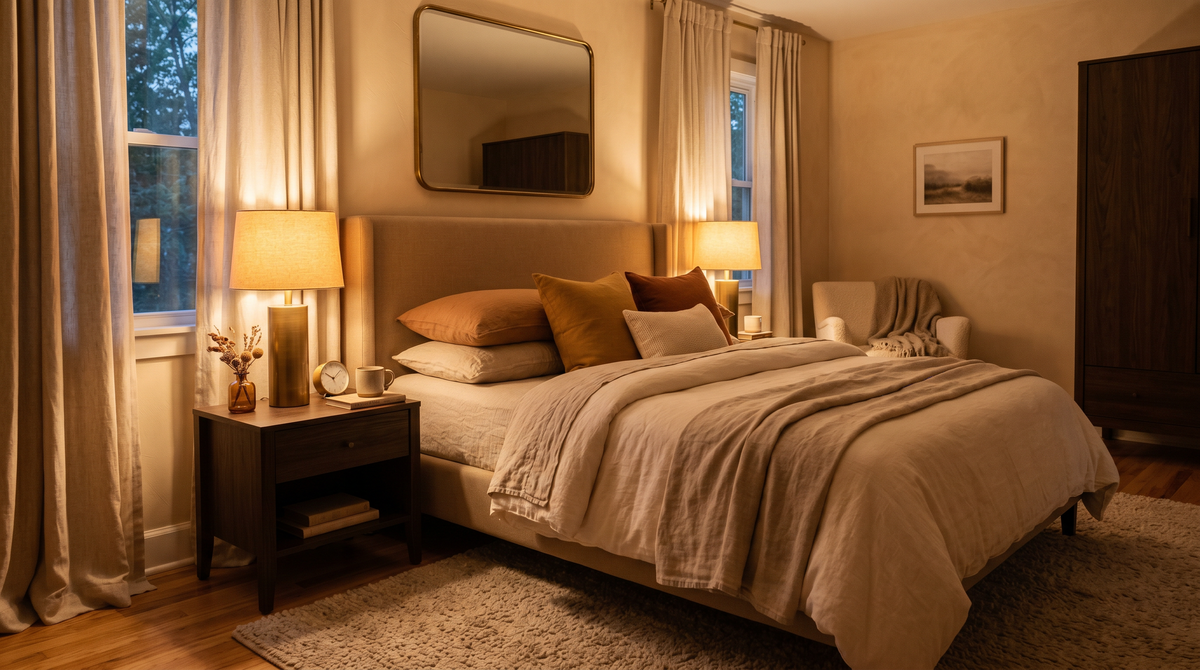
What Is the Best Lighting for a Bedroom?
The best bedroom lighting should change throughout the day: THRIVE for wake-up, FLOW for daytime activities, and REST for the evening wind-down. This creates a more natural progression from bright morning light to comfortable daytime illumination and finally to warm,...