

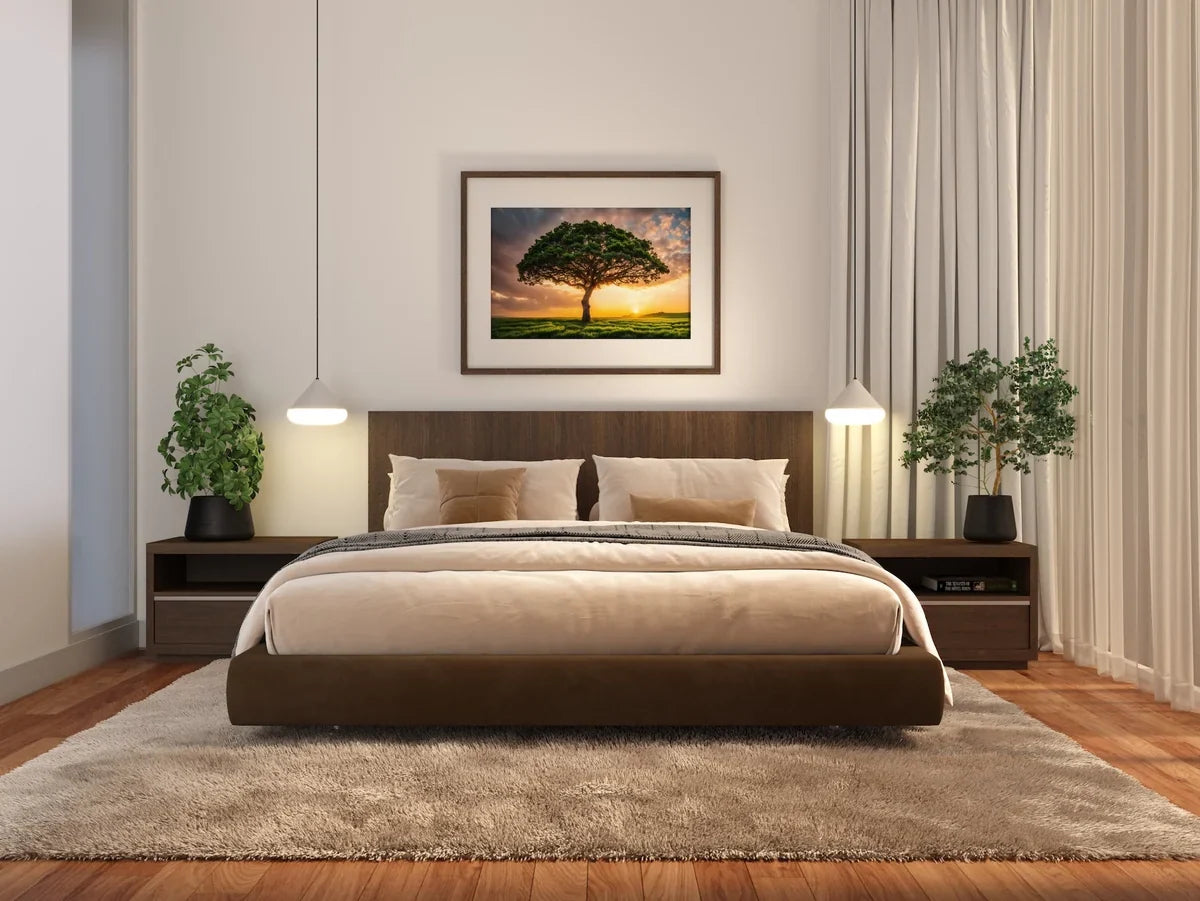
Choosing between 2700K, 3000K and 3500K lighting comes down to the atmosphere you want and the tasks you need to perform. Warmer light often works well in relaxing spaces, while more neutral light can suit activities that require clear visibility.
Choose warmer light for relaxing spaces and brighter, cooler-looking light for tasks that require clarity. The best color temperature depends on the room, activity and time of day. Brightness and color rendering matter, too.
2700K vs 3000K vs 3500K at a glance
These three color temperatures produce slightly different shades of white light. Here is how they generally compare.
| Attribute | 2700K | 3000K | 3500K |
|---|---|---|---|
| Appearance | Warm white | Soft warm white | More neutral white |
| Overall feel | Cozy and relaxed | Warm and clear | Clear and balanced |
| Common uses | Bedrooms and living rooms | Kitchens and bathrooms | Offices and study areas |
| Best suited for | Relaxing atmosphere | Everyday indoor activities | Reading and detailed tasks |
How do you choose the right color temperature?
Which color temperature is best for sleep?
Warmer light generally contains less short-wavelength blue light than cooler light sources, although the exact spectral output varies by bulb. The body's response to light also depends on brightness, exposure duration and timing.
In the evening, reduce exposure to bright light and consider using a warmer, dimmer setting. Kind Lights' 1800K setting provides a deep amber appearance for nighttime use, while 3300K offers a more neutral option for general indoor activities.
What are standard residential color temperatures?
Common residential lighting products include 2700K, 3000K, 3500K, 4000K, 5000K and 6500K. These values describe the light's color appearance, ranging from warm white to cool or daylight-like white.
Before purchasing a bulb, check its packaging or product specifications to confirm the color temperature and ensure it is compatible with your fixture and intended use.
Can you mix different color temperatures in one room?
Yes. Different color temperatures can serve different purposes in the same room. For example, a warm bedside lamp can create a softer atmosphere, while a separate reading light provides focused illumination.
However, noticeably different light colors may look uneven when they illuminate the same area. Consider the position of each fixture and how the lights will be used together.
Simple rules of thumb
- Relaxing in the evening: Choose warmer light and reduce brightness.
- Cooking and grooming: Prioritize visibility and good color rendering.
- Working and studying: Use comfortable lighting with sufficient illumination.
- Using multiple fixtures: Consider how their light colors will look together.
Does the difference really matter?
The difference between 2700K, 3000K and 3500K can be noticeable when the lights are placed side by side. However, personal preference, room finishes, brightness and the activity being performed also influence which light looks best.
If possible, compare lighting samples in the room where they will be used instead of relying only on product descriptions.
Common color temperature mistakes
- Choosing a bulb based only on how it looks in a store.
- Using bright, cooler-looking lighting when a softer evening atmosphere is preferred.
- Ignoring color rendering, which affects how naturally food, skin tones and other objects appear.
- Assuming color temperature alone determines a light's effect on sleep.
Frequently asked questions
Is 3000K warmer than 3500K?
Yes. 3000K generally appears warmer and more yellow than 3500K, which tends to look more neutral.
Can 3500K lighting be used in a bedroom?
Yes. It can be suitable for activities that require clear visibility. For a more relaxing evening atmosphere, consider reducing brightness or using a warmer light source.
What should I look for when choosing kitchen lighting?
Look for sufficient illumination, comfortable light distribution and good color rendering. A CRI of 90 or higher can help food and other objects appear more natural.
The bottom line: There is no single color temperature that works best in every room. Choose lighting based on the activity, the atmosphere you want and the time of day. For evening spaces, warmer and dimmer lighting is often a practical starting point.
Share:
Amber Light for Sleep: Does It Help You Sleep Better?